
North Carolina Department of Aging Programs in Greensboro

North Carolina's aging-services programs serving Greensboro — what the North Carolina Division of Aging and Adult Services provides, how to access, and how it combines with federal Medicare and Medicaid.

Reviewed by Carol Bradley Bursack, NCCDP-certified — Owner of Minding Our Elders

2 min read

·

Updated May 13, 2026

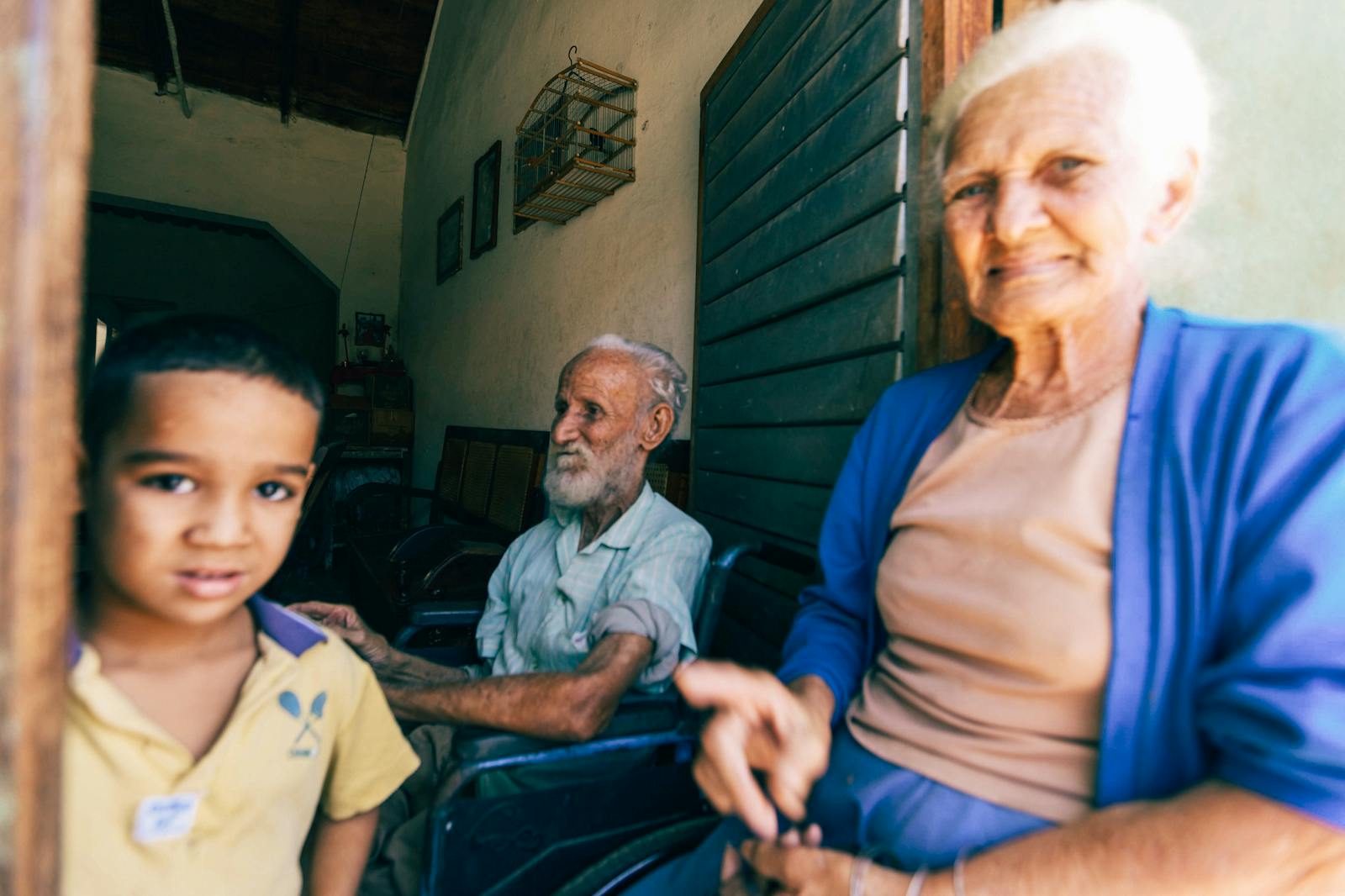
Grandparents embrace their grandchild at home — a moment elder care services help preserve.

the North Carolina Division of Aging and Adult Services administers state-level aging services that serve Greensboro-area seniors and family caregivers. Programs typically include North Carolina’s Community Alternatives Program for Disabled Adults (CAP/DA) (state Medicaid for long-term care), Lifespan Respite, state caregiver supports, Adult Protective Services, and oversight of state-licensed senior care facilities. Greensboro families access these through the Piedmont Triad Regional Council Area Agency on Aging and the state agency website.

Major programs from the North Carolina Division of Aging and Adult Services

  • North Carolina’s Community Alternatives Program for Disabled Adults (CAP/DA) — state Medicaid for long-term care
  • Lifespan Respite Program — additional caregiver respite funding
  • State caregiver education and support programs
  • Adult Protective Services for elder abuse
  • Licensing oversight of senior care facilities (when state-administered)
  • Ombudsman programs for assisted living and nursing facility complaints
  • State-specific aging initiatives (dementia plans, caregiver coalitions)

How Greensboro seniors access North Carolina programs

Three entry points:

  1. the Piedmont Triad Regional Council Area Agency on Aging — your local Area Agency on Aging, which administers many state programs at the local level
  2. the North Carolina Division of Aging and Adult Services’s website — direct application for state programs
  3. Greensboro County Department of Aging or Social Services — county-level intake for state programs

North Carolina Medicaid for Greensboro long-term care

North Carolina’s Community Alternatives Program for Disabled Adults (CAP/DA) covers home and community-based services for income-eligible Greensboro seniors. Apply at https://medicaid.ncdhhs.gov/get-started/find-programs-and-services/community-alternatives-program-disabled-adults-cap-da or call the Piedmont Triad Regional Council Area Agency on Aging for help. Processing takes 2–6 months. Eligibility tests apply to income (near SSI level), assets (under state limits, excluding home and one vehicle), and clinical need.

Lifespan Respite in North Carolina

Most states operate a Lifespan Respite Care Program providing additional respite funding for family caregivers beyond the federal National Family Caregiver Support Program. Eligibility, hours covered, and provider networks vary by state. North Carolina’s specifics are at https://www.ptrc.org/services/area-agency-on-aging or the North Carolina Division of Aging and Adult Services’s website. Worth applying — many Greensboro families don’t realize state funds are available.

Adult Protective Services in North Carolina

North Carolina’s Adult Protective Services (APS) program responds to reports of elder abuse, neglect, and financial exploitation. Reporting is anonymous and protected by state law. APS investigates and arranges interventions when warranted. Greensboro family members concerned about a senior should call North Carolina’s APS hotline directly — every state has one. Reports trigger fast response.

A 15-minute call with a Greensboro-area senior care advisor can map which North Carolina programs your parent qualifies for. Talk to an ElderCareServicesNearMe advisor when you’re ready.
Frequently asked questions

What's the difference between the North Carolina Division of Aging and Adult Services and federal aging programs?

+

Federal programs (Medicare, NFCSP, Older Americans Act funding) flow through North Carolina agencies to local Area Agencies on Aging. the North Carolina Division of Aging and Adult Services administers state-specific Medicaid waivers, Lifespan Respite, Adult Protective Services, and state licensing of senior facilities. Most Greensboro families don't need to distinguish — the Piedmont Triad Regional Council Area Agency on Aging handles federal and state programs in one intake call.

How long do North Carolina program applications take?

+

Varies. North Carolina's Community Alternatives Program for Disabled Adults (CAP/DA) typically 2–6 months from application to first service. State-specific waivers may have multi-year waiting lists. Lifespan Respite usually 1–2 weeks for approval. Adult Protective Services responses can be immediate for crisis situations. the Piedmont Triad Regional Council Area Agency on Aging can clarify current timelines for Greensboro applicants.

Can I report elder abuse anonymously in Greensboro?

+

Yes. North Carolina's Adult Protective Services takes anonymous reports — required by state law to protect reporters from retaliation. Call North Carolina's APS hotline directly (every state has one). Reports trigger investigations, typically within 24–72 hours for urgent cases. Concerned Greensboro family members, neighbors, healthcare workers, and bank staff all regularly file APS reports.

Do North Carolina aging programs cover the cost of a memory care facility in Greensboro?

+

Some North Carolina-Medicaid-certified memory care facilities accept Medicaid funding for eligible seniors. Not all Greensboro-area memory care facilities accept Medicaid. the North Carolina Division of Aging and Adult Services maintains the list of Medicaid-certified facilities. Eligibility requires meeting income and asset tests plus clinical-need documentation. Apply through the North Carolina Division of Aging and Adult Services or the Piedmont Triad Regional Council Area Agency on Aging.

What's the difference between North Carolina's Community Alternatives Program for Disabled Adults (CAP/DA) and federal Medicare?

+

Medicare is federal health insurance for adults 65+ and some disabled people. Covers hospital stays, doctor visits, short-term skilled care. North Carolina's Community Alternatives Program for Disabled Adults (CAP/DA) is North Carolina's implementation of Medicaid — federal-state insurance for low-income people of all ages. Covers ongoing long-term care that Medicare doesn't. Many Greensboro seniors are dual-eligible (both Medicare and Medicaid) and use both systems.

Share this article

About the author

David Thompson, LPN, Certified Care Manager

Elder Care Coordinator

David has coordinated elder care plans for more than 700 families across Virginia and Maryland. A Licensed Practical Nurse and Certified Care Manager, he writes about the full menu of elder care services — personal care, home health, geriatric assessments, ADL/IADL planning — and how to choose what your family actually needs without paying for what it doesn't.

View full bio

Related articles

A multigenerational family enjoys a moment together at home, illustrating the wider impact of elder care services.

Cost of Elder Care in Greensboro in 2026

Real Greensboro-area 2026 numbers for every elder care service — companion, personal care, home health, adult day, 24-hour, facility — plus funding paths.

David Thompson

  • Aging in Place
  • Paying for Care
An elderly couple cooks with their granddaughter — home-based elder care services in everyday life.

How Much Do Elder Care Services Cost in 2026?

The real numbers — by service, by hour, by month — plus the four funding paths most families use to make the math work.

David Thompson

  • Aging in Place
  • Paying for Care
Grandparents embrace their grandchild at home — a moment elder care services help preserve.

Building a Care Plan for a Greensboro Senior

An 8-step process for building a senior care plan specific to Greensboro — needs assessment, services map, funding strategy, family alignment.

David Thompson

  • Aging in Place
  • Choosing a Provider
Smiling grandparents enjoy time with their granddaughter at home — the goal of well-chosen elder care services.

Greensboro Senior Centers and Community Programs

Senior centers and community programs serving Greensboro — activities, meals, transportation, and the social engagement that supports aging in place.

David Thompson

  • Aging in Place
  • Senior Wellness
A multigenerational family enjoys a moment together at home, illustrating the wider impact of elder care services.

Elder Care Coordination in Greensboro, NC

Care coordination keeps your Greensboro parent's care plan working — one care manager managing doctors, pharmacy, home health, and the in-home team.

David Thompson

  • Aging in Place
  • Choosing a Provider
A multi-generational family shares a warm embrace at home — the audience for elder care services.

Home Health vs Personal Care in Greensboro

Home health is clinical and short-term; personal care is non-medical and ongoing. Greensboro families need to know the difference to avoid paying for the wrong service.

David Thompson

  • Aging in Place
  • Choosing a Provider
A family sits together discussing important information — the kind of decision elder care services help with.

Geriatric Assessment Services in Greensboro

A geriatric assessment in Greensboro produces a written care plan and 12-month trajectory — the single most useful first step for most families.

David Thompson

  • Aging in Place
  • Choosing a Provider
An elderly couple cooks with their granddaughter — home-based elder care services in everyday life.

Personal Care Aides in Greensboro, NC

Personal care aides (PCAs) in Greensboro provide hands-on help with bathing, dressing, toileting, and the activities of daily living.

David Thompson

  • Aging in Place
  • Choosing a Provider
Smiling grandparents enjoy time with their granddaughter at home — the goal of well-chosen elder care services.

Greensboro Senior Resources and Services Directory

Senior resources serving Greensboro — the Piedmont Triad Regional Council Area Agency on Aging, senior centers, transportation, meal programs, legal aid, and Medicare counseling.

David Thompson

  • Aging in Place
  • Senior Wellness
A multi-generational family shares a warm embrace at home — the audience for elder care services.

Elder Care Services in Greensboro, NC: A Family Guide

The full menu of elder care services in Greensboro, North Carolina — companion care, personal care, home health, adult day, geriatric assessment.

David Thompson

  • Aging in Place
  • Family Caregivers
A multigenerational family enjoys a moment together at home, illustrating the wider impact of elder care services.

What Are Elder Care Services? A Family Guide

Elder care services is an umbrella term for the full menu of support older adults use to live safely at home — here's what's actually on it.

David Thompson

  • Aging in Place
  • Family Caregivers
Smiling grandparents enjoy time with their granddaughter at home — the goal of well-chosen elder care services.

Types of Home Care Services: ADLs, IADLs, and What Each Covers

Five categories of home care, each defined by what kind of help is delivered — and the right way to figure out which your parent needs.

David Thompson

  • Aging in Place
  • Choosing a Provider
A family sits together discussing important information — the kind of decision elder care services help with.

Building a Senior Care Plan: A Step-by-Step Guide

A written senior care plan replaces six months of trial-and-error with a clear-eyed 12-month roadmap — here's the eight-step process.

David Thompson

  • Aging in Place
  • Choosing a Provider
Grandparents embrace their grandchild at home — a moment elder care services help preserve.

How to Choose the Right Elder Care Services

The right elder care plan starts with an honest needs assessment, then maps to services — not the other way around.

David Thompson

  • Choosing a Provider
  • Senior Wellness
North Carolina Department of Aging Programs in Greensboro